When you’re deep in the weeds of planning a big event – juggling speaker logistics, F&B orders, and a million moving parts – it’s easy to forget the little details. But sometimes, it’s those easily overlooked room requests that end up making the biggest difference in how your attendees feel and function at your event.
We’ve all had that moment where someone asks, “Hey, do we have a quiet room?” or “Where should the speakers go to prep?”– and you realize it never made it onto your space request. Oof.
Let’s save you that moment. Here’s a list of rooms and spaces you might want to consider adding to your next meeting or conference reservation:
Lactation Room
It’s 2025, and no, a bathroom stall is not a lactation room. A small, private room with a comfy chair, table, and access to a fridge makes all the difference for nursing moms. (And yes, they will notice and appreciate it.) While a private, non-bathroom space is required by law for breastfeeding employees, there is no guarantee the room on site is available for your attendees. Review 5 Important Tips for Accommodating Nursing Mothers at Events from BizBash to see what to prioritize for your event’s lactation space. Once you determine what needs to be included in a welcoming lactation space, treat it as a standard accommodation during the RFP or contracting phase.
Wellness or Quiet Room
Between long sessions, networking noise, and nonstop interaction, even the most enthusiastic attendees sometimes need a moment to recharge. A wellness room offers a quiet, restorative space where they can decompress, meditate, or simply sit without distraction. Bonus points if it’s stocked with herbal tea, cozy seating, calming scents, and low lighting to create a soothing atmosphere. The National Health Council offers a variety of additional ways to enhance attendee wellness at events.
Green Room for Speakers
Your keynote or general session speakers will love having a quiet, designated space to collect their thoughts, run through notes, and take a few deep breaths before stepping on stage. Think of it as the backstage calm before the spotlight. Be sure to provide water, tissues, and a mirror – and if possible, comfortable seating and soft lighting to help speakers feel relaxed, focused, and ready to shine.
1:1 Meeting Rooms
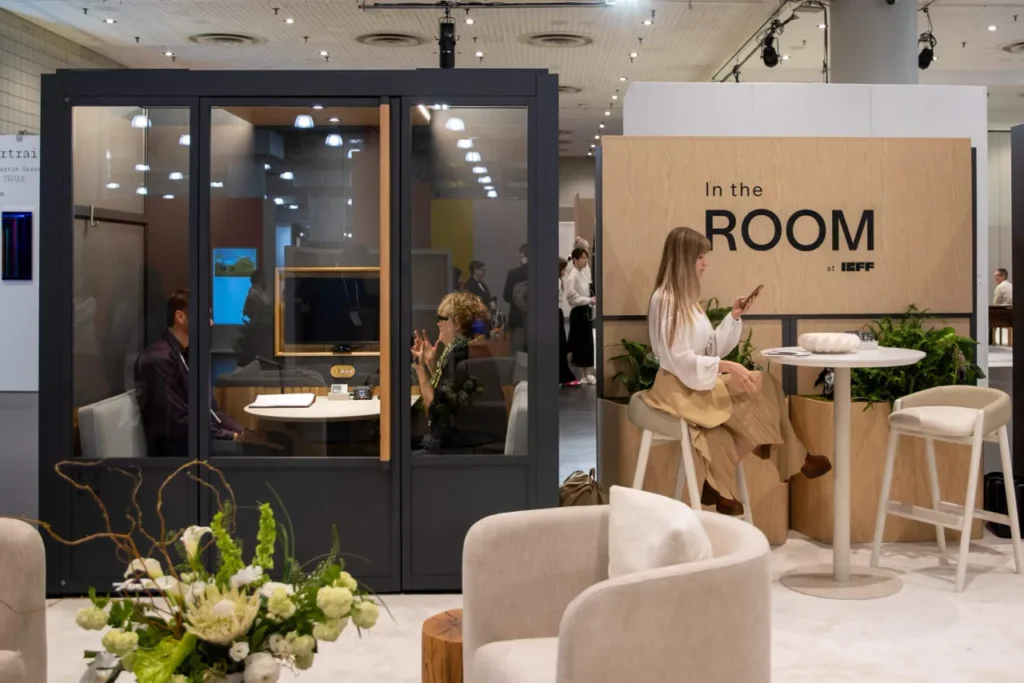
Whether it’s a vendor coffee chat, an impromptu mentoring moment, or a confidential discussion between colleagues, having a few rooms set aside for private meetings makes your event feel more polished and accommodating. These quiet, reserved spaces give attendees the freedom to step away from the bustle of the main event for focused, meaningful conversations. Include a sign-up system, water, or basic supplies like notepads and pens.
Weather Back-Up Space
Outdoor receptions or activities? Great! Just don’t forget to lock in a Plan B in case of wind, rain, or wild temperature swings. Trust us: weather contingency isn’t just about the forecast – it’s peace of mind and making sure your event goes off without a hitch, rain or shine.
Sponsor or Exhibitor Lounge
Your sponsors and exhibitors are key stakeholders. A lounge or quiet corner gives them space to take breaks, check emails, or grab a coffee. It’s a small gesture that can go a long way in strengthening those relationships and making them feel appreciated.
Storage Space
You’ll have swag bags, signage, sponsor materials – probably more boxes than you think. Book a storage room close to your main area so you’re not lugging things across the property or blocking event flow. If you’re bringing in your own AV team, they’ll need a home base. A secure, nearby room for storing cables, cases, and backups keeps your tech tidy and your production crew happy.
Planner’s Office
You need a command center. A room for your laptops, radios, coffee, and team huddles. It’s your safe haven and a game changer for staying calm and organized during showtime.
Staff or Volunteer Break Room
If you’re relying on staff or volunteers, set them up for success with a space to take breaks, store personal items, and regroup. It shows you value them and it helps keep their energy levels up throughout the event. Stock the room with water, coffee, light snacks, a first-aid kit, and charging stations.
Venue tight on space? If your venue is tight on space or hesitant to allocate additional rooms, there are still smart workarounds that can help meet your event’s behind-the-scenes needs. Consider multi-purposing existing rooms. For example, turning a green room into a wellness lounge during off-hours, or using a breakout room as storage or a planner’s office between sessions. If a dedicated room isn’t available, look for ways to carve out space within larger areas using privacy panels, pipe and drape, or even mobile pods. Get creative with time-blocking and signage to make spaces do double duty. It’s not about perfection – it’s about intentionally planning for the people behind the experience. Even a modest, repurposed space can dramatically improve attendee comfort and team efficiency when it’s designed with purpose.
Got a favorite “room you almost forgot but were so glad you didn’t”? Share it with us – we’re always building the ultimate behind-the-scenes checklist.