Venue Sourcing

Categories

How to Streamline Your Venue Proposal Review Process

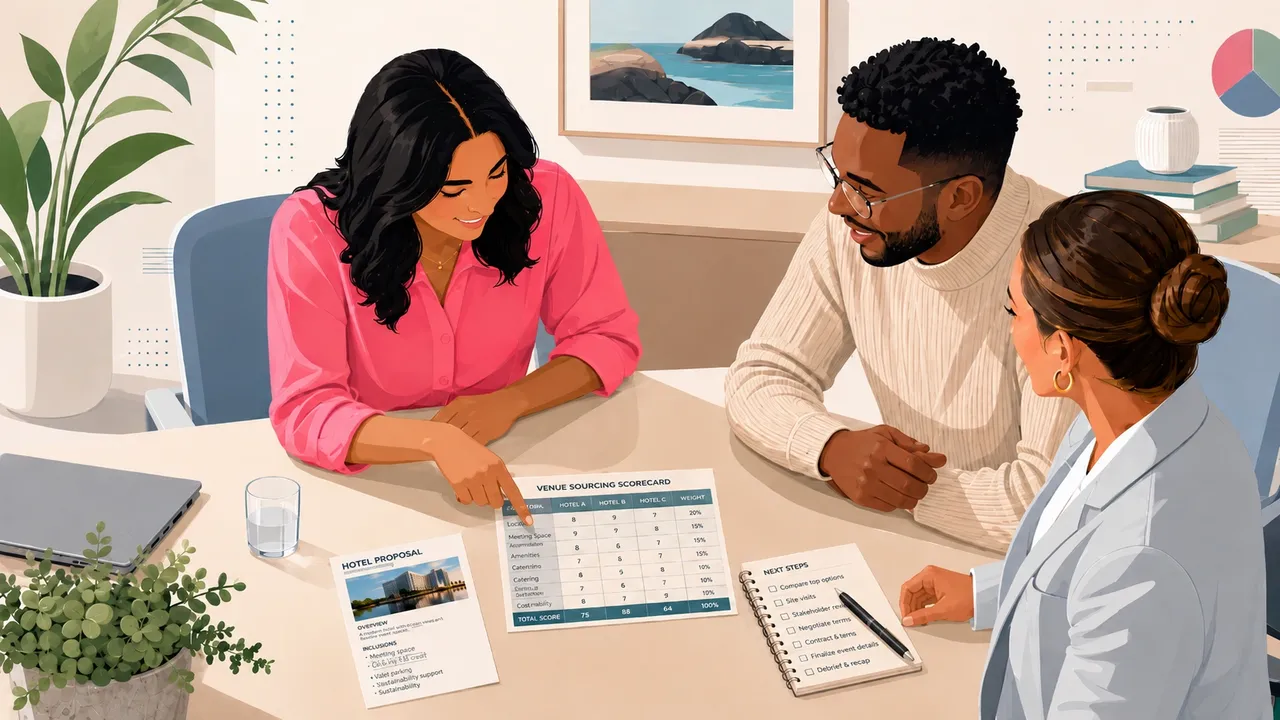
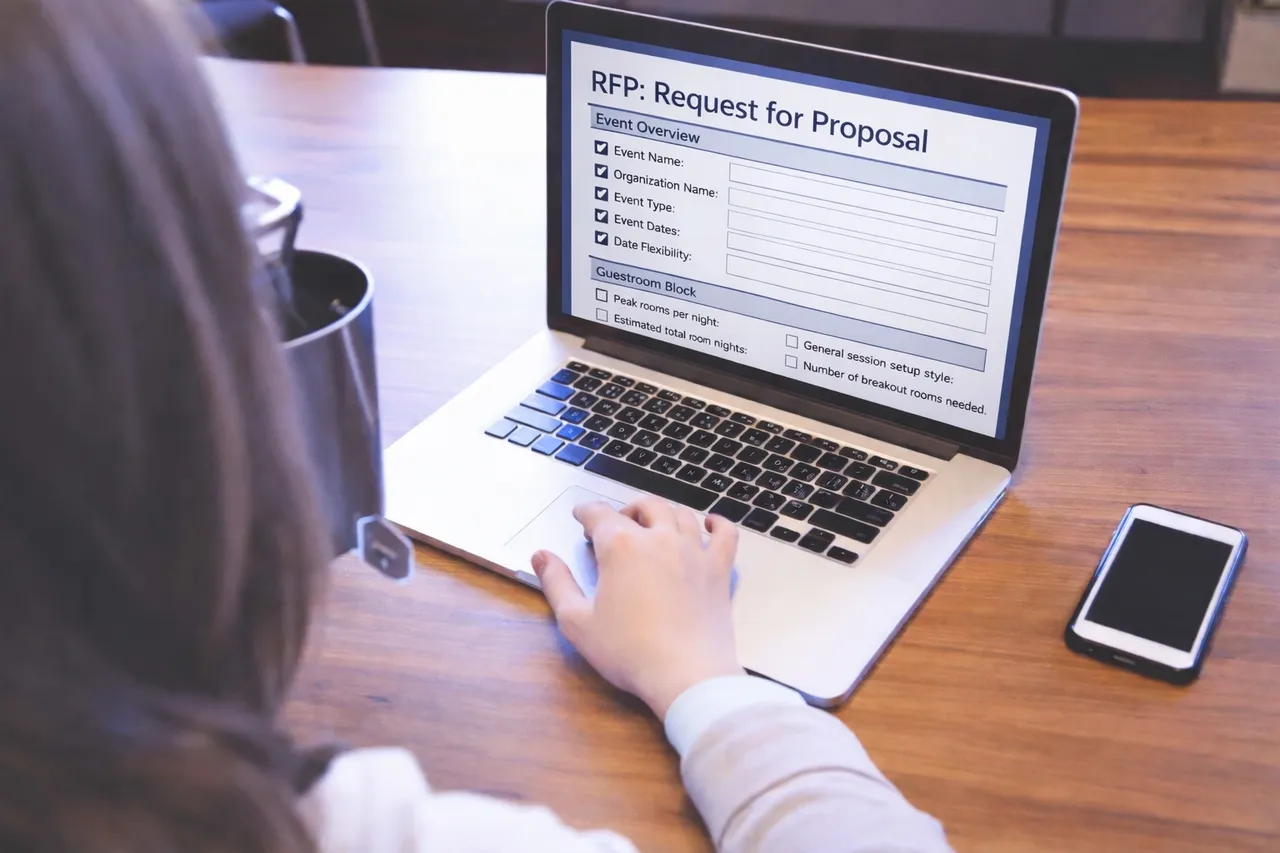
“Reviewing hotel RFP proposals is easier when the process is built before responses arrive, not after. Conference Planning Services recommends five steps: identify non-negotiables (dates, true budget ceiling, meeting space needs, airport distance, key concessions) before sending the RFP; weight scoring criteria differently depending on whether the group is a corporate meeting, association conference, or incentive program; limit the search to about two destination markets and five to six properties each to avoid choice overload, a phenomenon documented in a 2024 Frontiers in Psychology review; score proposals with a consistent scorecard covering rate, F&B minimums, A/V costs, and concessions; and ask “What would it take to sign today?”

Read More
woman-laptop-rfp-proposal

Five Reasons Some Hotel RFPs Get Better Deals & Faster Responses

“The most effective hotel RFPs are the clearest, not the longest, according to Conference Planning Services. Strong RFPs lead with essentials, preferred dates, guestroom block and room type mix, target rate, meeting space needs by function, estimated F&B spend, and load-in requirements so hotels can respond quickly without back-and-forth. CPS recommends holding concession requests until two or three finalist hotels remain, addressing operational needs like outside AV policies and union labor early, limiting searches to about two cities with well-matched properties rather than sending RFPs broadly, and maintaining active communication with hotels throughout. A February 2026 Skift Meetings article notes that delaying meeting bookings carries real financial downside, reinforcing the value of a focused, fast RFP process.”

Read More

Sourcing Game Plan: Dates, Flexibility, and a Market Scan

“Venue sourcing moves faster when planners frame the search before contacting hotels: a primary date window with 2–3 true alternates, a tight destination scope (two to three cities), and budget guardrails that go beyond a single rate target to include fee limits and top concession priorities. Conference Planning Services recommends building the process around four decision gates, dates and alternates approved, destinations narrowed, true must-haves defined, and total value (not just rate) compared, since most hotels only hold space for two to four weeks once an RFP is out. A clear RFP should state arrival/departure pattern, room block range, meeting space by day, budget reality, and decision timeline. For committee-led searches, ranking top destinations and agreeing on a decision timeline upfront prevents scope creep and decision fatigue.”

Read More

2026 Site Selection Pro Tips: What Every Planner Needs to Know

“As site selection grows more complex, Conference Planning Services outlines seven best practices for 2026. Planners should define event-specific priorities (attendee experience, accessibility, walkability, flexible meeting space) before sourcing; use virtual tours to narrow options but validate with in-person site visits that check smallest rooms, bathrooms, and housekeeping; go beyond baseline ADA compliance by confirming specific room layouts, transfer space, and door widths; scrutinize contracts for attrition, cancellation, and audit-rights language as financial exposure grows more complex; assess risk holistically, including emergency preparedness and alcohol liability; understand a group’s true value to hotels beyond room nights, including ancillary spend and need-period value; and maintain strong hotel and CVB relationships, which remain a key negotiating advantage even in a data-driven sourcing environment.”

Read More

Finding Venues That Support Attendee-First Event Design

“As event costs rise and ROI pressure grows, planners are shifting from stage-focused formats toward immersive, wellness-first, or attendee-first, event design. Economic pressure and workplace burnout make wellness a strategic tool for maximizing attendee focus and engagement, often expressed through flexible agendas, nature-inspired environments, and moments for mental clarity rather than full spa-retreat programming. When evaluating hotel partners, planners should look for in-room wellness amenities, calm nature-inspired design with natural light and quiet zones, healthy food options that support cognitive energy, and built-in active or outdoor programming. This approach particularly resonates with Gen Z and Millennial attendees.”

Read More
business-people-talking

Planning Events with Confidence in 2026

“Event professionals navigated a volatile 2025 shaped by tariffs, supply chain issues, and travel policy changes. GBTA’s October 2025 Outlook Poll shows rising optimism in business travel, up from 28% to 43% between June and October 2025. Conference Planning Services outlines three strategies for 2026: (1) design modular, flexible event formats with adaptable venue contracts and decentralized regional hubs; (2) build attendee trust through transparent refund, safety, and accessibility policies with clear cost breakdowns; and (3) turn disruption into innovation using AI-driven personalization, bleisure travel support, and wellness programming.”

Read More

Practical Ways to Reduce F&B Costs at Conferences

“Hotel food and beverage costs frequently consume the largest share of an event budget, but planners can control spend without attendees noticing. Conference Planning Services recommends simplifying menus and repurposing items like desserts and leftover fruit; scheduling sessions to eliminate unnecessary meals or building in “lunch on own” days; guaranteeing meal counts based on actual historical attendance (in one case, only about 50% of attendees ate breakfast) rather than full headcount; negotiating custom menus, 10–20% pricing discounts, and locked-in future pricing during contracting, since service charges and tax can add 25–35% to costs; managing coffee and bar consumption through per-person math and drink tickets; using sponsorships or local vendors like bakeries and food trucks; and negotiating flexible F&B minimums that credit room service or dining spend.”

Read More

Rethinking the Map: Is it Time to Leave Chicago for Indianapolis?

“Rising costs are pushing event planners toward second-tier cities instead of Tier-1 hubs like New York, San Francisco, and Chicago. Per the 2025 CWT GBTA Global Business Travel Forecast, average daily attendee costs are expected to reach $169/day, nearly double the 2021 average of $88/day. Planners regularly see 15-25% total cost savings moving mid-sized conferences from Tier-1 to Tier-2 cities such as Tulsa, Indianapolis, and Raleigh, which offer competitive room rates, lower fees, and more negotiating room. One national association cut costs 25% by moving its annual summit from Chicago to Indianapolis, with attendees rating the experience higher than prior years. Planners should still vet air access, local labor capacity, and cultural fit before committing to a smaller market.”

Read More