
The landscape for meetings, incentives, conferences, and events in 2026 is pushing planners to think beyond traditional formats. With rising costs and increased pressure to deliver ROI, designing memorable, meaningful experiences can feel daunting.
Stage-focused presentations are giving way to immersive formats that prioritize connection, creativity, and wellbeing. At the heart of this evolution is a growing emphasis on wellness-first design – or, as we prefer to call it, attendee-first design.
Wellness as a Strategic Experience
Economic pressure, shifting policies, and widespread workplace burnout all quietly shape how attendees engage with events. To maximize their focus, energy, and participation, wellness elements have become a strategic imperative.
This doesn’t mean every event must resemble a spa retreat (though interest in those is certainly growing). More often, wellness-first design is expressed through subtle, intentional choices: flexible agendas, nature-inspired environments, and opportunities for mental clarity. These touches can lead to stronger engagement, improved focus, and higher overall satisfaction.
What to Look for in a Hotel Partner
Hotels are evolving to meet the changing expectations of both planners and attendees. As wellness and experiential design take priority, it’s worth looking for properties that offer features designed to support both wellbeing and creativity:
- In-room wellness amenities like yoga mats, resistance bands, or compact exercise equipment
- Calm, nature-inspired design with natural light, green spaces, and quiet zones
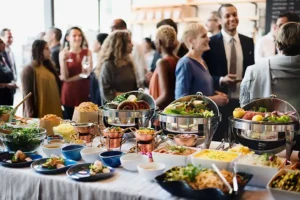
- Healthy food options that support energy and mental clarity – like these recommended by Northwestern Medicine
- Built-in options for active or outdoor programming, from walking paths to mindfulness breaks
These strategies aren’t just perks; they’re part of a bigger shift toward experience-led, sustainable, and attendee-centric meetings that resonate – especially with Gen Z and Millennial attendees. Here are some more ideas from ASAE: The Center for Association Leadership to incorporate cost-effective wellbeing elements into your events.
Designing with Empathy and Intent
As we look ahead, designing with wellness in mind is one way to balance creativity, budget, and attendee expectations. It doesn’t require overhauling your entire event, just a mindset shift that puts people at the center.
→ Want to bring attendee-first strategies to your next meeting or retreat? Explore our Resource Center for planning tools, venue checklists, and inspiration.
Conference Planning Services offers professional venue sourcing services that save you time and money while helping you secure a hotel that truly supports an attendee-first event experience.