
Venue Sourcing

Categories

You Know What You Want. We Know How to Get You There.

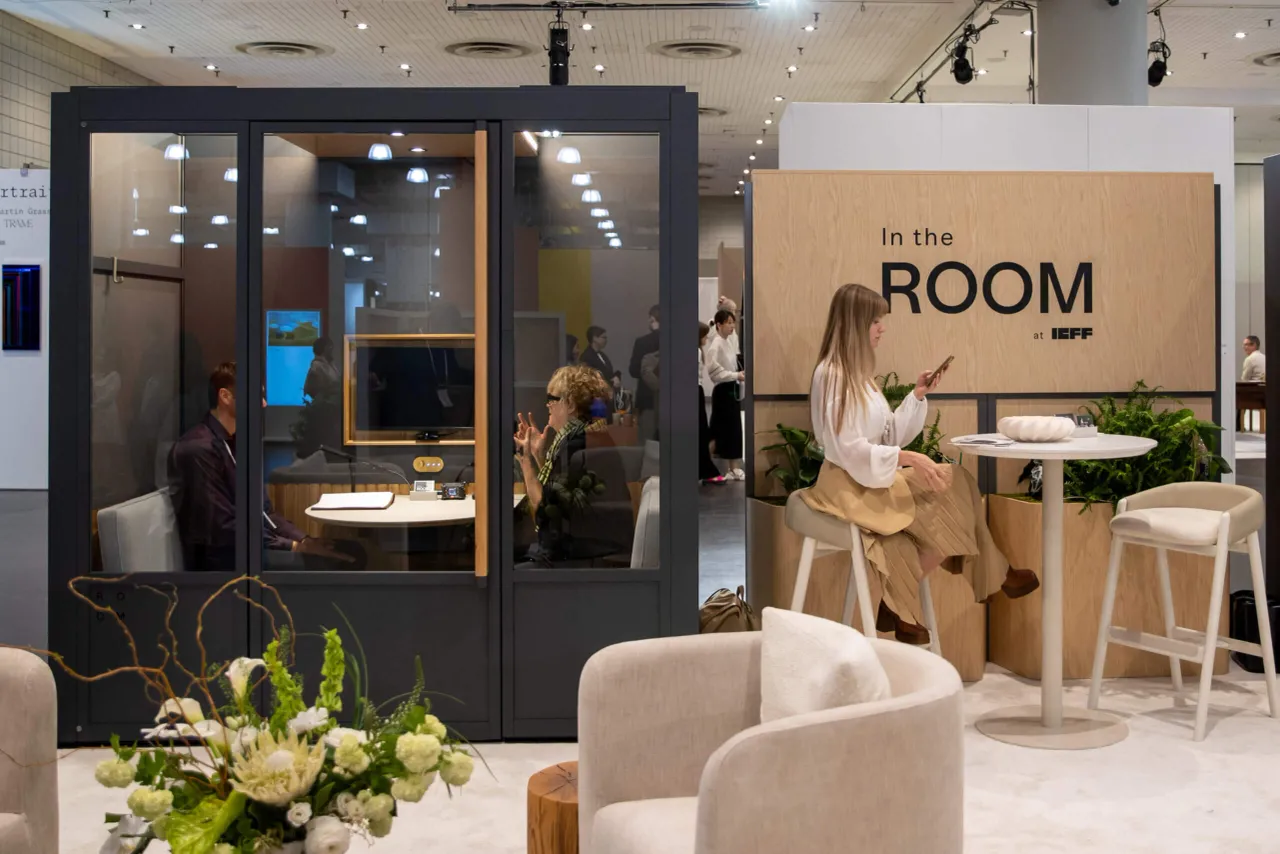
“Sourcing hotel space for a meeting or conference involves far more nuance than it first appears, layout and flow, location’s effect on attendance and budget, contract terms and concessions, and fast-moving market availability. Conference Planning Services explains that venue sourcing specialists don’t just send RFPs; they know which questions to ask, which red flags to watch for, and how to align a planner’s priorities with hotel offerings, often saving thousands in concessions and fees while reducing attrition risk. Working with a specialist is collaborative, not a loss of control, the planner still guides the vision. Most third-party planners offer this service at no cost to clients, since it’s supported by hotel commissions.”

Read More

Can We Claim Force Majeure?

“Force majeure clauses excuse contract performance during truly extraordinary events, but courts interpret them narrowly, so not every disruption qualifies. Whether a claim succeeds depends on the specific contract language (does it name government action, natural disasters, or public health emergencies?), the timing of when the claim is invoked rather than when the disruption occurred, and whether the event was foreseeable at the time of contracting. Even when a clause doesn’t clearly apply, planners often find success through early, good-faith communication that leads to postponement, rebooking, or partial refunds rather than litigation. Conference Planning Services notes this article isn’t legal advice and recommends reviewing specific contracts with legal counsel.”

Read More

Essential Event Spaces You Might Be Forgetting

“Beyond the main event space, several supporting rooms are easy to forget when reserving a venue but make a real difference for attendees and staff. Conference Planning Services recommends requesting: a private lactation room (not a bathroom stall) built into the RFP or contracting phase; a wellness or quiet room for decompression; a green room for speakers to prep before sessions; 1:1 meeting rooms for private conversations; a weather back-up space for outdoor events; a sponsor or exhibitor lounge; secure storage space for swag, signage, and AV equipment; a planner’s office as a command center; and a staff or volunteer break room. If venue space is limited, rooms can be multi-purposed by time-blocking, such as converting a green room into a wellness lounge during off-hours, or using privacy panels and pipe and drape to carve out space within larger areas.”

Read More

AI: A Meeting Planner’s Best Friend

“AI is transforming event planning across several areas. New venue sourcing platforms use AI to match event needs with hotel properties based on availability, pricing, amenities, and historical RFP response rates, though a professional sourcing partner still adds human verification and negotiation support AI can’t provide. Tools like ChatGPT, Otter.ai, and Fireflies.ai automate agendas, transcription, and post-event reports; a BizBash guest column notes AI can eliminate up to 40% of repetitive planning tasks. AI-driven platforms also personalize attendee experiences using registration data and real-time inputs. AMI Magazine recommends starting with a specific pain point rather than adopting broadly, choosing from categories like content assistants, scheduling automation, analytics, and transcription tools. Planners should verify any AI tool’s data handling practices against GDPR, CCPA, and organizational privacy policies before processing attendee data.”

Read More

Stronger Event Contracts for a Changing Events Climate

“Standard contract clauses can leave organizations exposed when travel policies or circumstances shift. Conference Planning Services recommends five additions: a Purpose of Event clause defining attendees and their reason for attending; an expanded Force Majeure clause naming specific risks like government actions and travel freezes; a Business and Impracticability clause allowing adjustment if 40%+ of attendees are affected; a room block review clause for multi-year contracts; and a Frustration of Purpose clause for when new laws conflict with the event’s core purpose.”

Read More

What to Do if You Can’t Meet Your Room Block or F&B Minimums

“When attendance drops, missed room block or F&B minimums can trigger attrition penalties. Conference Planning Services recommends contacting the hotel early with supporting data and understanding what your Force Majeure, Purpose of Event, and Business and Impracticability clauses allow the latter can permit reduced commitments if 40%+ of attendees are affected. Negotiating directly with the hotel, rather than involving an attorney first, tends to produce better outcomes. Creative options include releasing unused rooms early, reselling rooms to attendees, and adjusting F&B strategy based on penalty fee structure.”

Read More

Go Beyond the Basics: Sustainable Meeting & Event Practices

“Sustainable conference planning now goes beyond checklist basics. Conference Planning Services outlines five strategies: purposeful event design that evaluates renewable-energy venues, certifications like LEED or Green Key, and regional attendee travel; holistic sustainability including local vendor sourcing and plant-forward menus; tracking metrics such as travel emissions, water and energy use, and landfill diversion to support ESG reporting; swapping branded swag for tree-planting, digital signage, or reusable water bottles; and engaging attendees directly through carbon offset options, green info hubs, and gamified sustainability challenges.”

Read More

Planning Conferences & Meetings in Uncertain Times

“Event planners today face rising cancellations, travel restrictions, climbing costs, staffing shortages, and safety concerns all at once. Conference Planning Services addresses each with contingency clauses and backup venue shortlists for cancellations; flexible attrition clauses and hybrid attendance options as policy shifts affect turnout; vendor relationships to offset rising costs; staff turnover research to protect the guest experience; and destination safety vetting with pre-event security walkthroughs.”

Read More