
Site Visits

Categories

2026 Site Selection Pro Tips: What Every Planner Needs to Know

“As site selection grows more complex, Conference Planning Services outlines seven best practices for 2026. Planners should define event-specific priorities (attendee experience, accessibility, walkability, flexible meeting space) before sourcing; use virtual tours to narrow options but validate with in-person site visits that check smallest rooms, bathrooms, and housekeeping; go beyond baseline ADA compliance by confirming specific room layouts, transfer space, and door widths; scrutinize contracts for attrition, cancellation, and audit-rights language as financial exposure grows more complex; assess risk holistically, including emergency preparedness and alcohol liability; understand a group’s true value to hotels beyond room nights, including ancillary spend and need-period value; and maintain strong hotel and CVB relationships, which remain a key negotiating advantage even in a data-driven sourcing environment.”

Read More

Essential Event Spaces You Might Be Forgetting

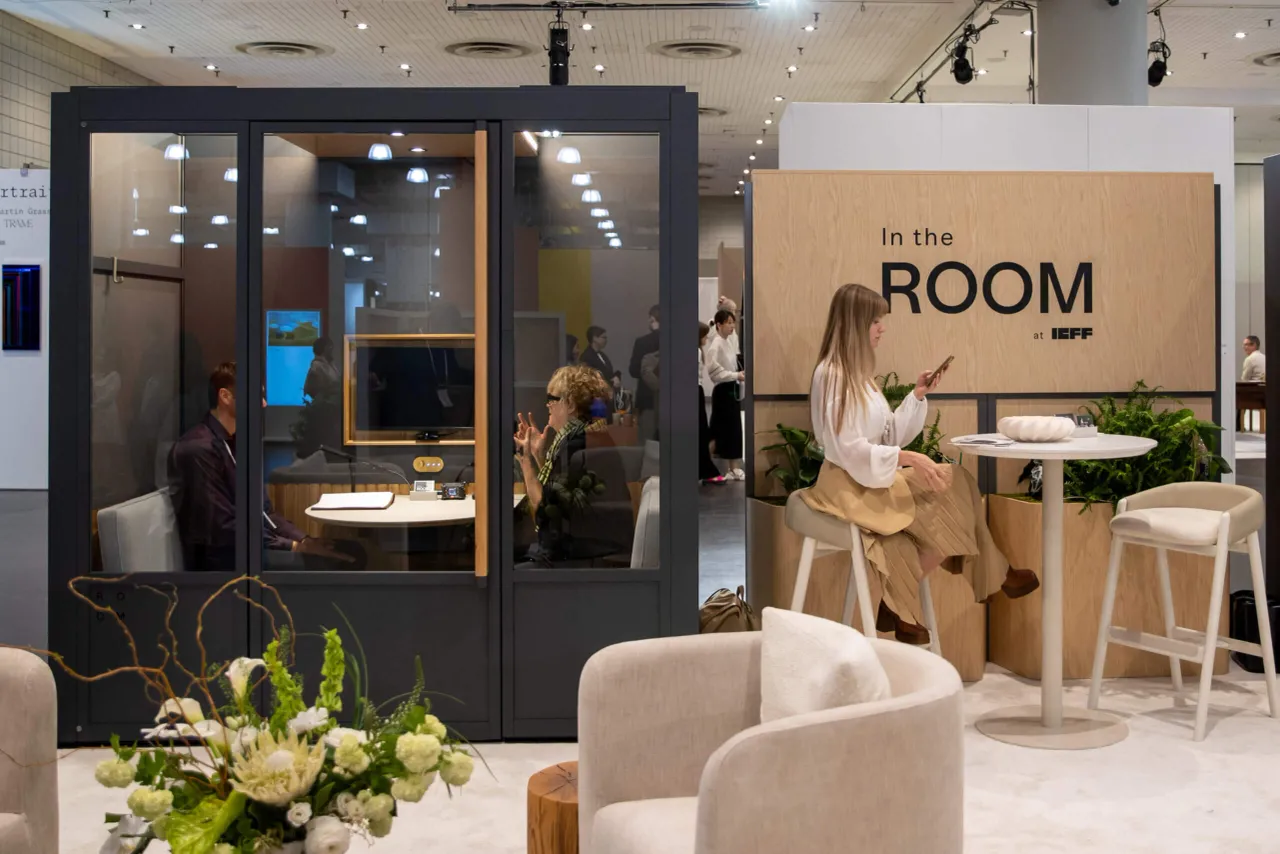
“Beyond the main event space, several supporting rooms are easy to forget when reserving a venue but make a real difference for attendees and staff. Conference Planning Services recommends requesting: a private lactation room (not a bathroom stall) built into the RFP or contracting phase; a wellness or quiet room for decompression; a green room for speakers to prep before sessions; 1:1 meeting rooms for private conversations; a weather back-up space for outdoor events; a sponsor or exhibitor lounge; secure storage space for swag, signage, and AV equipment; a planner’s office as a command center; and a staff or volunteer break room. If venue space is limited, rooms can be multi-purposed by time-blocking, such as converting a green room into a wellness lounge during off-hours, or using privacy panels and pipe and drape to carve out space within larger areas.”

Read More

Planning Conferences & Meetings in Uncertain Times

“Event planners today face rising cancellations, travel restrictions, climbing costs, staffing shortages, and safety concerns all at once. Conference Planning Services addresses each with contingency clauses and backup venue shortlists for cancellations; flexible attrition clauses and hybrid attendance options as policy shifts affect turnout; vendor relationships to offset rising costs; staff turnover research to protect the guest experience; and destination safety vetting with pre-event security walkthroughs.”

Read More

How to Build Flexibility Into Your Venue Selection & Contracts

“Resilient events start with flexibility built into venue sourcing and contracts from the start. Conference Planning Services recommends four strategies: ask about hybrid capabilities and adjustment policies during site selection; negotiate an expanded force majeure clause, scalable attrition terms, and rebooking language during contracting; evaluate real-world flexibility during site visits; and choose venues with phased room blocks and adjustable F&B minimums. With budgets under pressure, scalability is one of the most valuable planning tools available.”

Read More

How to Choose an Inclusive Venue for Your Next Event

“Choosing an accessible, inclusive venue improves the experience for all attendees, not just those with specific needs, wide doorways help wheelchair users as much as parents with strollers. During site selection, planners should evaluate mobility access (ramps, elevators, accessible parking), accessible seating in all event areas, communication support (real-time captioning, assistive listening devices, sign language interpreters), quiet or sensory-friendly spaces, and service animal policies. Beyond basic accessibility, inclusive venues should offer gender-neutral restrooms, nursing or family-friendly spaces, diverse dietary accommodations, and multilingual or Braille/large-print materials. Emergency preparedness should include evacuation plans designed for attendees with mobility challenges, accessible charging stations for mobility devices, and an on-site accessibility coordinator.”

Read More

Site Visits: Time Saving and Budget Friendly Strategies

“Site visits let planners evaluate meeting spaces firsthand, clarify logistics, and assess location factors like parking and airport proximity. In-person visits also strengthen contract negotiations through face-to-face relationship building. Conference Planning Services recommends asking hotels to cover transportation costs, and frequently organizes real-time virtual site visits as a cost-free way to narrow options. The most efficient approach combines both: virtual visits to narrow the shortlist, followed by an in-person visit for final confirmation.”

Read More

The Ultimate Venue Selection Checklist

“A structured approach streamlines venue selection for any event. Conference Planning Services recommends 10 steps: define event objectives (purpose, guest count, logistical needs); set a realistic budget covering rental, catering, AV, decor, and staffing; choose a location that maximizes attendance based on accessibility and proximity to airports and transit; assess space and capacity for the event format, including ADA compliance; review amenities like Wi-Fi, AV support, and VIP areas; evaluate ambiance and branding alignment; confirm catering options and dietary accommodations; verify event support services like on-site coordinators and security; research venue reviews and references; and conduct a final in-person site visit to inspect cleanliness, acoustics, and setup feasibility before committing.”

Read More